
The “RIDESHARE” club Trap
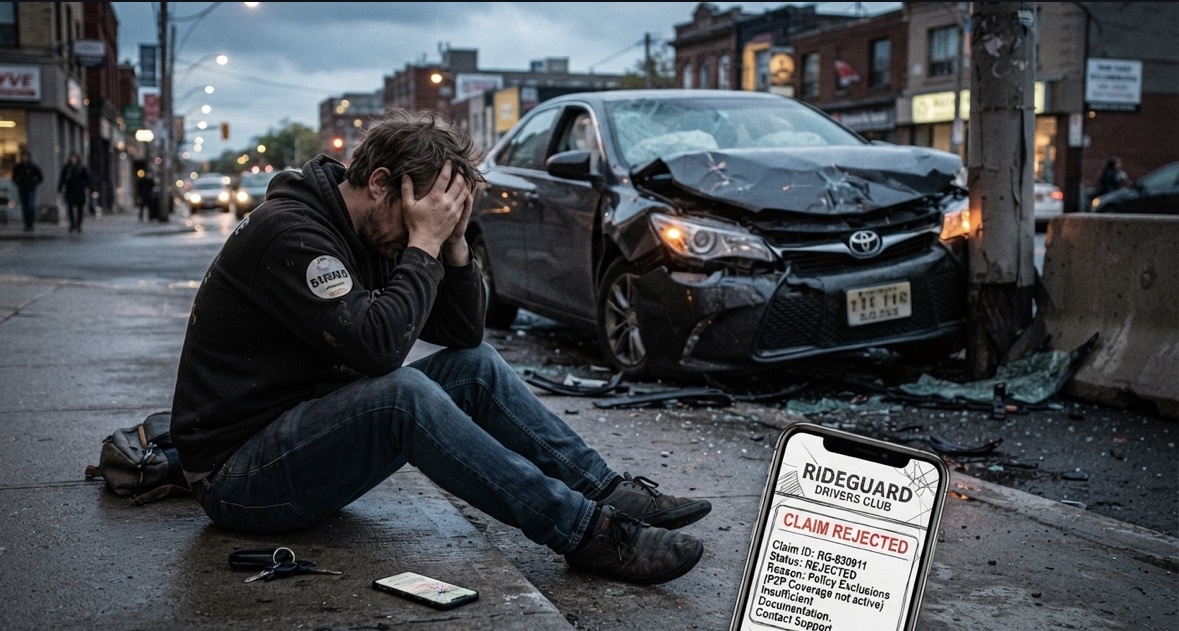
The "Rideshare Club" Trap: Why Unlicensed Protection Schemes Are Leaving Drivers Defenceless
If you drive for rideshare or taxi services, you have likely come across advertisements for "Rideshare Clubs," "Taxi Clubs," or "Member Mutual Protection Schemes." Promoted as cheaper, hassle-free alternatives to commercial car insurance, these organizations operate under names that mimic official clubs or member associations.
While paying a small monthly fee to join a "club" for driver protection sounds appealing, these products are rarely actual insurance. Scores of drivers across Australia have learned this the hard way—discovering only after a crash that they are legally uninsured, their claims have been denied, and they personally owe tens of thousands of dollars.
- What Are These "Clubs"?
Most traditional insurance companies require an Australian Financial Services Licence (AFSL) issued by ASIC and are subject to strict financial reserves overseen by APRA. Many rideshare and taxi "clubs," however, register simply as incorporated associations or private entities. Instead of selling financial insurance policies, they sell discretionary mutual cover or discretionary indemnities to "club members".
Because they exploit regulatory loopholes between state consumer agencies and national financial regulators, they operate without the strict financial backing, reserve requirements, or consumer oversight that legitimate insurers must maintain.
- Why Drivers Aren't Actually Covered
Understanding how these schemes differ from legitimate commercial motor insurance highlights the hidden risks involved:
No Obligation to Pay Claims ("Absolute Discretion")
In a standard insurance policy, if you meet the terms outlined in the Product Disclosure Statement (PDS), the insurer is legally contractually bound to pay your claim. In contrast, most "Rideshare Club" terms contain fine print giving the club absolute board discretion over whether to accept or decline a claim. If the club decides not to pay—or simply runs out of funds—they are legally within their rights to deny coverage.
You Are Personally Liable for Third-Party Damage
If you cause an accident and hit a luxury vehicle, another driver, or property, the damaged party will sue you, not your "club". With real insurance, your insurer steps in, handles lawyers, and pays the settlement. With a discretionary club, if the club ignores legal demand letters or refuses to pay, you are personally on the hook for the total repair costs, towing fees, and court costs.
No Access to AFCA (Australian Financial Complaints Authority)
When a licensed insurer unfairly denies a claim, you can lodge a free complaint with AFCA, an independent body that can overrule the insurer. Because these rideshare clubs do not hold an AFSL, AFCA has no jurisdiction to hear complaints against them. If a club denies your claim or refuses to respond to phone calls, your only legal recourse is hiring a private lawyer and taking the club to court at your own expense.
Non-Compliance with Platform Requirements
Major rideshare platforms require drivers to carry valid, legally compliant Comprehensive or Third-Party Property Insurance covering commercial/business use. If a platform audits your documentation and finds you are relying on an unlicensed "club membership" rather than genuine financial insurance, your driver account risks immediate deactivation.
- Real-World Warning Signs to Look Out For
The word "Insurance" is missing from official documents: They will frequently use terms like "Member Discretionary Cover," "Driver Protection Scheme," "Mutual Benefit Fund," or "Discretionary Indemnity."
Vague or contradicting terms: The product guides feature open-ended language giving the management total right of refusal without strict timeframes for claim settlements.
Unusually low prices with no AFSL listed: If the website or promotional flyer does not display a valid AFSL Number or state that the product is issued by an APRA-regulated general insurer, it is not standard insurance.
What Drivers Must Do to Protect Themselves
- Verify AFSL Licensing: Always check that your insurer holds a valid Australian Financial Services Licence (AFSL) and provides a formal Financial Services Guide (FSG) and Product Disclosure Statement (PDS).
- Specify Rideshare / Business Use: When taking out a policy, explicitly list your usage as "Rideshare," "Taxi," or "Commercial / Business Use". Standard personal insurance policies will reject claims if an accident occurs while logged into a rideshare app.
- Don't Sacrific Security for Short-Term Savings: Saving a few hundred dollars a year on an unlicensed club product can turn into a life-altering debt if you are involved in a major multi-vehicle accident.
Always deal directly with licensed Australian general insurers to ensure your vehicle, income, and financial future remain protected on the road.
LEFKO will not accept illegitimate insurance or fake insurance documents. Only reliable, legitimate rideshare insurance is approved.