
Rideshare Car Battery Health: EV and Hybrid Checks
Rideshare car battery health deserves a place on your buying checklist alongside price, passenger space and comfort. If you’re considering an electric or hybrid car for driving in Australia, focus on what you can verify before committing—not just the headline range.
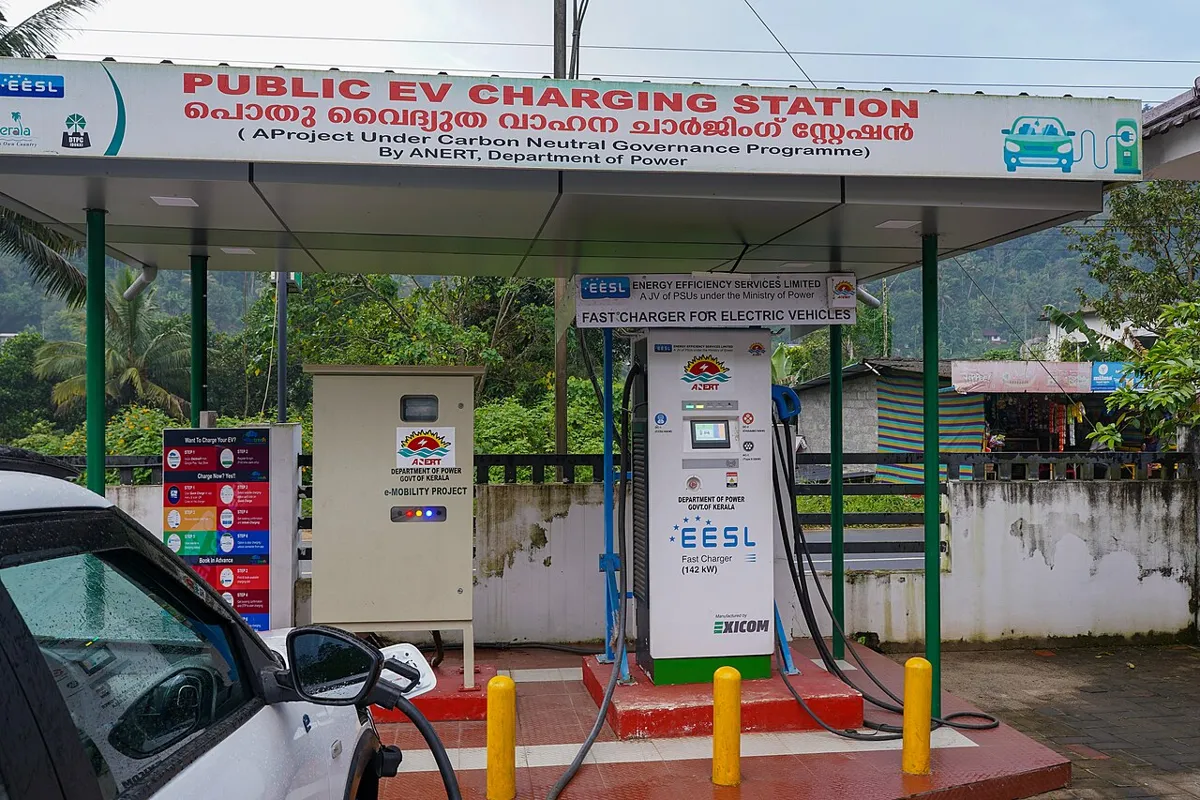
Start with the drivetrain
Before comparing cars, establish exactly what you’re buying. Ask the seller to identify the drivetrain and explain its charging or refuelling requirements; don’t assume that every vehicle described as a hybrid works the same way.
- Confirm whether the car is fully electric, hybrid, plug-in hybrid or a range-extender vehicle.
- Ask whether it needs external charging and what equipment is supplied.
- Request the owner’s manual and servicing schedule.
- Check that the advertised specifications apply to the exact Australian variant you’re considering.
For a newly announced model, separate confirmed Australian specifications from overseas announcements. Before paying a deposit, request written confirmation of local availability, equipment, warranty and delivery timing.
Ask for battery evidence
Treat battery condition as something to investigate, especially when assessing a used car. An advertised range figure is not a substitute for information about the particular vehicle you might buy.
- Ask whether a battery-health report is available and who prepared it.
- Request the service history and records of any battery repairs or replacements.
- Read the battery warranty, including its conditions and exclusions.
- Confirm whether rideshare use affects warranty coverage.
- Ask what support is available if the vehicle develops a battery or charging fault.
If you’re unsure how to interpret the documents, consider an independent inspection before signing. Keep copies of the seller’s written answers rather than relying on verbal assurances.
Match range and charging to your shifts
Build your assessment around your own working pattern. Record the distance you cover during a typical shift, including travel to pickups, repositioning and getting home. Then ask how the vehicle’s stated range was measured and what conditions it represents.
- Identify where you could charge before, during and after work.
- Check access hours, connector compatibility and current charging prices.
- Plan an alternative if your preferred charger is unavailable.
- Ask about charging performance rather than relying only on a peak charging claim.
- For vehicles using petrol as well as electricity, include both in your cost planning.