
Fastest-Charging EVs in Australia 2026: Cars & Battery Tech
By LEFKO Rideshare | Updated 23 October 2026
Electric cars are changing faster than many Australian drivers realise. In 2026, the conversation is no longer just about how far an EV can go. It is about how quickly it can recharge, how efficiently it uses electricity, and how conveniently it fits into everyday driving — including a long shift on the road.
According to the Electric Vehicle Council’s October 2026 sales update, battery-electric vehicles accounted for 24.9% of Australian new-car sales in September 2026, ahead of petrol-only cars at 24.7%. Battery-electric and plug-in hybrid models together reached 34.5%.
For anyone comparing the latest electric vehicles in Australia — particularly professional rideshare drivers — the most useful question is simple: which technology saves you time and money in the real world?
1. Ultra-fast charging: the EV breakthrough you can actually use
A vehicle with a 500 km advertised range might sound impressive. But if you drive long distances, its charging performance can be just as important.
Many high-performance electric vehicles now use an 800-volt electrical architecture. Compared with conventional 400-volt designs, this can make it easier to transfer high power while controlling current and heat. However, 800 volts alone does not guarantee fast charging.
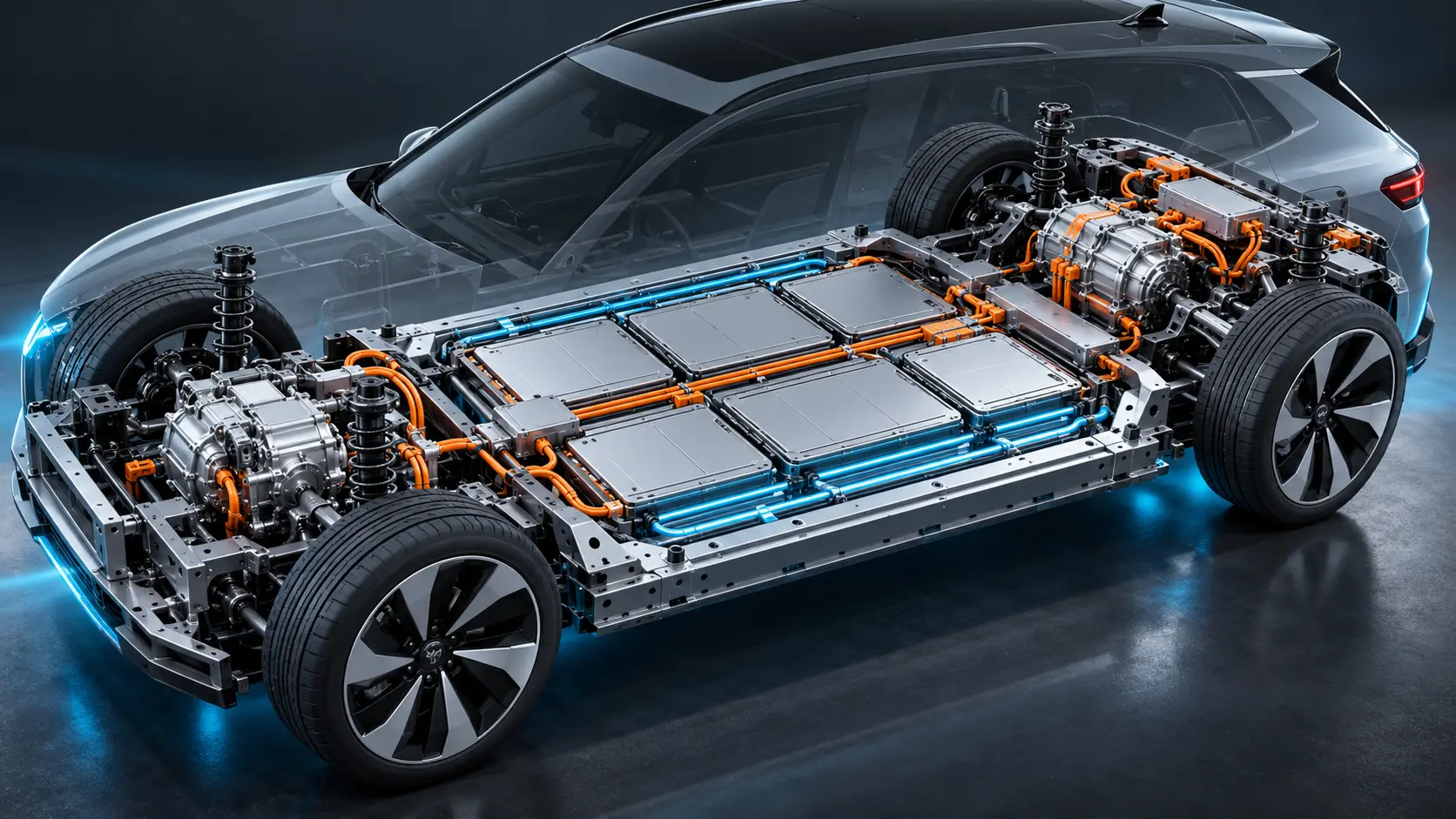
Three numbers matter more than headline charging power:
- 10–80% charging time: a useful way to compare vehicles.
- The charging curve: how long the car maintains high charging speed.
- Charger compatibility: a car capable of 450 kW cannot achieve that speed at a 50 kW charging station.
Battery temperature, charging infrastructure and starting charge level also affect performance.
2. Fast-charging electric cars available in Australia
Several Australian-market vehicles demonstrate how quickly EV technology is progressing:
- XPENG New G6 RWD Long Range: 10–80% in 12 minutes, 525 km WLTP range
- Zeekr 7X RWD: 10–80% in 13 minutes, 480 km WLTP range
- Zeekr 7X Long Range RWD: 10–80% in 16 minutes, 615 km WLTP range
- Hyundai IONIQ 5 (84 kWh): 10–80% in approximately 18 minutes, up to 570 km WLTP range
Manufacturer figures under specified charging conditions. Real-world charging times and driving range vary.
The XPENG New G6’s advertised 12-minute charging performance is particularly notable. Yet the best car for a working driver may be the vehicle with the most convenient and reliable compatible charging stations. A 16-minute charging stop close to your normal driving route can be more practical than a 12-minute stop requiring a significant detour.
3. BYD’s five-minute charging breakthrough
In March 2026, BYD introduced its second-generation Blade Battery and FLASH Charging technology. Under specified conditions, BYD claims a compatible vehicle can charge from 10% to 70% in approximately five minutes, using specialised equipment capable of delivering up to 1,500 kW through one connector.
This is an important technological development, but it does not mean every BYD vehicle currently sold in Australia supports the same speeds. Charging performance depends on the precise vehicle model, battery and infrastructure. Buyers should distinguish between technology demonstrated overseas and technology available in Australian showrooms.
4. Sodium-ion batteries: a new chapter in electric mobility
While lithium iron phosphate batteries remain important in today’s EV market, sodium-ion technology is attracting significant attention. In February 2026, battery manufacturer CATL and carmaker CHANGAN announced a mass-production passenger-vehicle project using CATL’s Naxtra sodium-ion batteries. CATL subsequently described plans for full-scale sodium-ion mass production by the end of 2026.
Sodium-ion batteries could offer additional options for battery materials and manufacturing, although commercial performance depends on the finished battery design. For Australian consumers, widespread availability has not yet been established.
5. How much does it cost to charge an EV in Australia?
Electric vehicles can provide attractive operating costs, but the cost of electricity varies substantially. Consider an EV consuming approximately 18 kWh per 100 km over a 200 km working day. That equals roughly 36 kWh of driving energy, excluding charging losses.
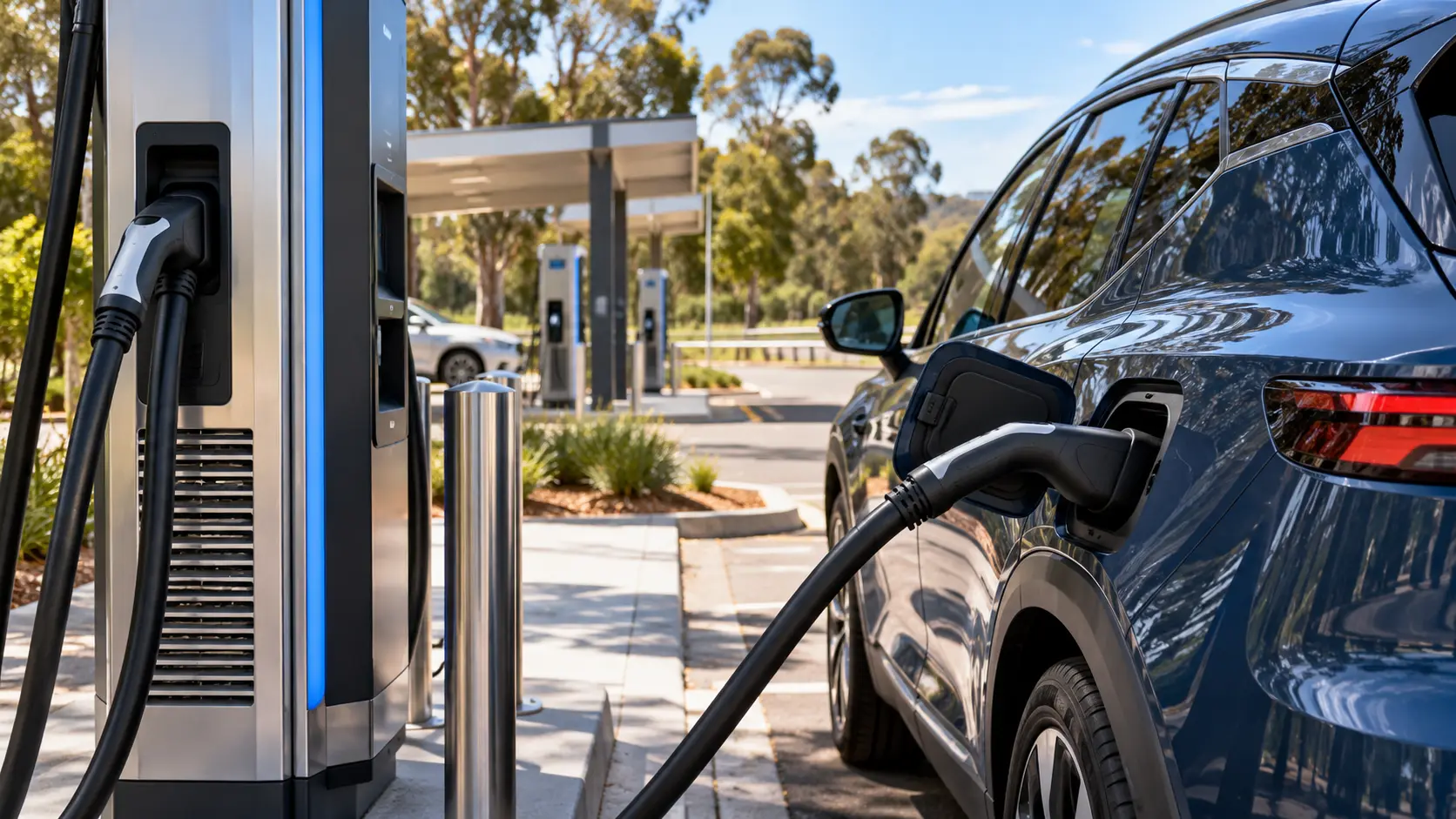
- Home charging at $0.30/kWh: about $10.80
- Public rapid charging at $0.70/kWh: about $25.20
These are example electricity prices, not live tariffs. The comparison illustrates why access to convenient home or workplace charging can significantly influence running costs.
For rideshare drivers, it is important to consider the complete cost per kilometre, including vehicle payments, charging, insurance, maintenance, depreciation and time spent offline.
6. What features matter most for Australian rideshare drivers?
A practical electric rideshare vehicle should offer more than impressive acceleration or the largest possible battery. Drivers should prioritise:
- Efficient real-world electricity consumption.
- Convenient, dependable charging access.
- Comfortable seating and adequate luggage space.
- Good battery thermal management.
- Reliable local servicing and warranty support.
- Modern safety and driver-assistance systems.
Drivers considering commercial use should also confirm insurance arrangements, vehicle eligibility and warranty conditions before purchasing or renting.
7. Australia’s charging infrastructure is expanding
The Australian Government’s $40 million Accelerating Electric Vehicle Charging Program is designed to help address gaps in the public charging network, including regional areas. The program is scheduled across 2026–27 to 2028–29 and remains subject to relevant regulatory processes.
Other technologies to watch include smarter charging schedules, battery preconditioning, vehicle-to-load power and greater use of bidirectional charging. These developments could make EV ownership more convenient, although availability varies by vehicle and equipment.
8. LEFKO and the future of electric rideshare
Electric mobility is becoming an increasingly important part of Australia’s transport industry. LEFKO offers LEFKO EKO, its zero-emission electric-car rideshare category, alongside other transport choices.
For drivers considering electric cars for work, the smartest choice is the vehicle that balances charging convenience, passenger comfort, running costs and long-term reliability. For riders, electric transport offers a quieter journey with no tailpipe emissions.
Discover electric rides and driving opportunities with LEFKO at www.lefko.net.au.
Frequently asked questions
Which electric car charges the fastest in Australia in 2026?
Among the models compared here, the XPENG New G6 RWD Long Range advertises a 10–80% charge in approximately 12 minutes under suitable conditions. This is not an exhaustive comparison of every Australian EV.
Can an EV charge in 15 minutes?
Yes. Certain 2026 vehicles, including variants of the XPENG G6 and Zeekr 7X, advertise charging times below 15 minutes under specified conditions.
Are electric cars suitable for rideshare?
Electric vehicles can be suitable for rideshare work, particularly when drivers have convenient charging access and choose vehicles with adequate range, passenger space and efficient running costs.
Will sodium-ion batteries replace lithium batteries?
Sodium-ion is an emerging technology that may complement existing lithium-ion batteries. It is too early to assume it will replace lithium batteries across the industry.
Does an 800V EV always charge faster?
No. Charging performance also depends on the battery, charging curve, temperature and the connected station.
Research sources: Electric Vehicle Council, XPENG Australia, Zeekr Australia, Hyundai Australia, BYD, CATL and the Australian Government’s EV charging programme. Vehicle specifications and charging performance should be reconfirmed against manufacturer information before making purchasing or rental decisions.